

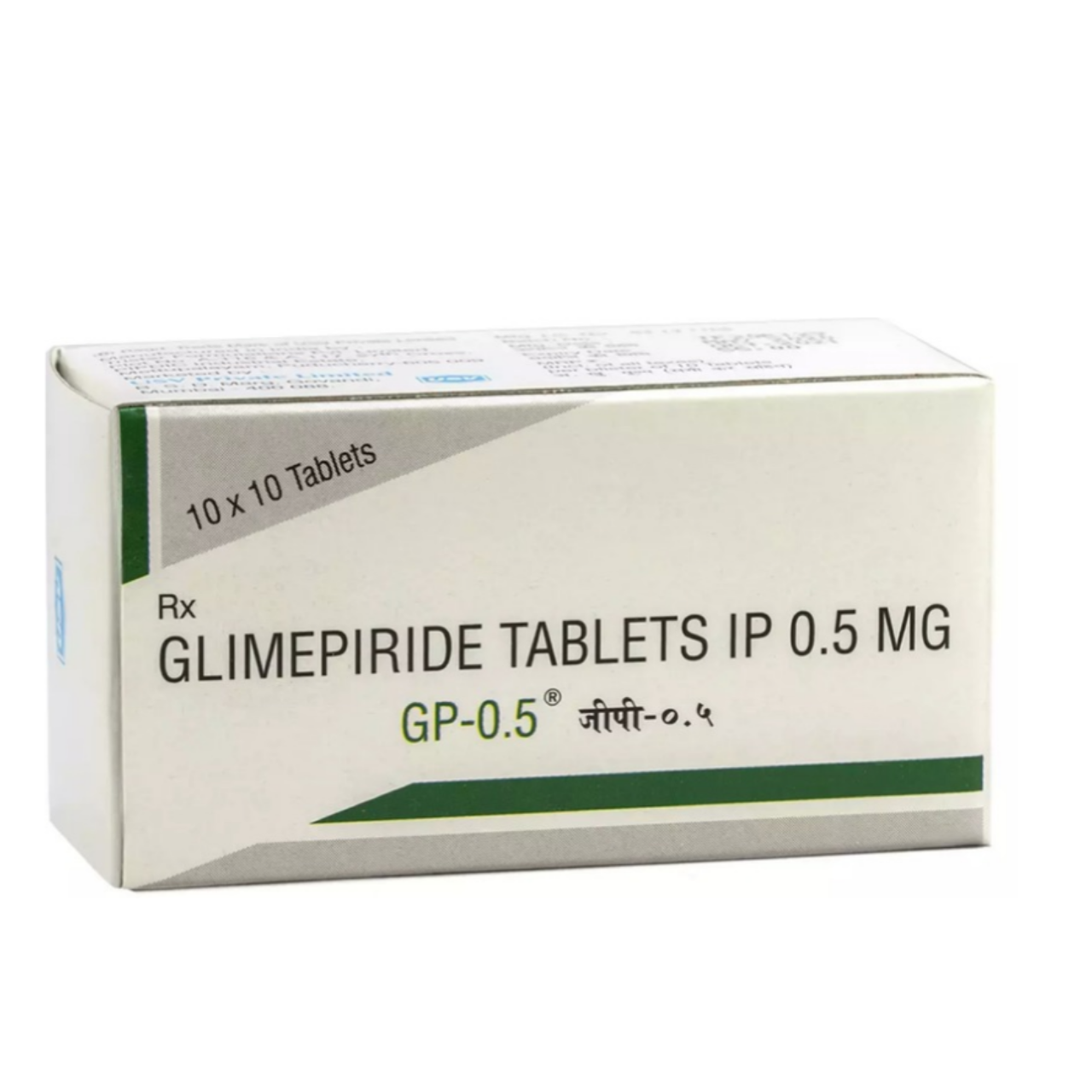
Glimepiride 0.5 mg Tablets contain glimepiride, an oral antidiabetic medicine belonging to the sulfonylurea class. Glimepiride is used as part of a comprehensive treatment plan for adults with type 2 diabetes mellitus, together with appropriate diet, physical activity, and regular blood glucose monitoring.
Glimepiride works primarily by stimulating the pancreas to release insulin, which helps the body lower elevated blood glucose levels. It is generally prescribed when lifestyle measures alone are not sufficient to achieve the desired blood glucose control.
Product Overview
Product Name: Glimepiride 0.5 mg Tablets
Active Ingredient: Glimepiride
Strength: 0.5 mg
Dosage Form: Oral Tablet
Drug Class: Sulfonylurea Antidiabetic
Therapeutic Category: Antidiabetic / Blood Glucose Management
Primary Use: Type 2 Diabetes Mellitus
Route of Administration: Oral
What is Glimepiride 0.5 mg?
Glimepiride is an oral blood-glucose-lowering medicine used in the management of type 2 diabetes. It belongs to a group of medicines known as sulfonylureas.
The medicine helps lower blood glucose primarily by stimulating pancreatic beta cells to release insulin. Increased insulin availability can help glucose move from the bloodstream into body tissues where it can be used for energy.
Glimepiride is intended to be used as part of an overall diabetes-management programme that may include a balanced diet, regular physical activity, blood glucose monitoring, and other medicines when prescribed.
How Does Glimepiride Work?
Glimepiride works primarily by increasing the release of insulin from pancreatic beta cells.
Sulfonylureas interact with receptors associated with ATP-sensitive potassium channels in pancreatic beta cells. This promotes closure of these channels, resulting in changes in the cell membrane that stimulate insulin secretion.
The increased insulin secretion can help reduce elevated blood glucose levels in people with type 2 diabetes.
Glimepiride primarily depends on functioning pancreatic beta cells to produce its glucose-lowering effect, which is why it is not appropriate for treating type 1 diabetes mellitus.
Uses of Glimepiride Tablets
Glimepiride is used as an adjunct to diet and exercise to improve glycemic control in adults with type 2 diabetes mellitus.
It may be prescribed when lifestyle modifications alone do not provide adequate blood glucose control.
Depending on the patient's condition and treatment response, a healthcare professional may prescribe glimepiride alone or together with other antidiabetic medicines.
Glimepiride is not indicated for the treatment of type 1 diabetes mellitus or diabetic ketoacidosis.
Benefits of Glimepiride
When appropriately prescribed and monitored, glimepiride may help:
Improve blood glucose control in adults with type 2 diabetes
Increase insulin release from pancreatic beta cells
Reduce elevated blood glucose levels
Support overall glycemic management
Be used as part of an individualized diabetes treatment plan
Complement dietary and lifestyle measures recommended for diabetes management
The response to glimepiride can vary between individuals. Regular blood glucose monitoring and medical supervision are therefore important.
Glimepiride 0.5 mg Dosage
The appropriate dose of glimepiride should be determined by a qualified healthcare professional based on the patient's blood glucose response, medical history, age, kidney function, diet, and other medicines being used.
Glimepiride dosing is generally individualized and may be adjusted gradually according to glycemic control and tolerance.
The medicine is generally administered with breakfast or the first main meal of the day. Patients should follow the specific instructions provided by their healthcare professional and the approved product information for the particular formulation.
Glimepiride 0.5 mg should not be presented as a standard starting dose for all patients. The availability and approved dosing of the 0.5 mg strength can vary according to the manufacturer and country.
Patients should never increase, decrease, or discontinue their prescribed dose without consulting their healthcare professional.
How to Take Glimepiride
Glimepiride tablets should be taken exactly as directed by a healthcare professional.
Important considerations include:
Take the tablet according to the prescribed schedule.
Follow the recommended instructions regarding meals.
Maintain the recommended diabetes diet and exercise programme.
Monitor blood glucose levels as advised.
Take the medicine consistently at the recommended time.
Do not change the dose without medical advice.
If you miss a dose, follow your healthcare professional's instructions rather than taking an extra dose without guidance.
Because glimepiride can lower blood glucose, maintaining regular meals may be particularly important during treatment.
Possible Side Effects of Glimepiride
One of the most important potential adverse effects associated with glimepiride is hypoglycemia, or low blood glucose.
Possible symptoms of hypoglycemia may include:
Shaking
Sweating
Hunger
Dizziness
Weakness
Headache
Rapid heartbeat
Blurred vision
Confusion
Difficulty concentrating
Irritability
Severe hypoglycemia can result in loss of consciousness, seizures, or other serious complications and requires urgent medical attention.
Other adverse reactions may occur depending on the individual. Patients should consult a healthcare professional if they experience persistent or unusual symptoms while taking glimepiride.
Important Warnings and Precautions
Glimepiride should be used carefully in individuals who may have an increased risk of hypoglycemia.
Extra caution may be required in some:
Elderly patients
Patients with impaired kidney function
Patients with impaired liver function
Patients with irregular meal patterns
Patients taking other blood-glucose-lowering medicines
Patients should inform their healthcare professional about their complete medical history before starting treatment.
Glimepiride may also cause hypersensitivity reactions. Individuals with a known allergy to glimepiride or any component of the product should not use it.
Glimepiride has also been associated with hemolytic anemia in individuals with G6PD deficiency. Healthcare professionals may consider alternative treatment where appropriate.
Glimepiride and Hypoglycemia
Hypoglycemia is an important consideration when using sulfonylurea medicines such as glimepiride.
The risk may increase when glimepiride is used with other blood-glucose-lowering medicines or when food intake is inadequate.
Symptoms of low blood glucose can develop quickly. Patients should understand the signs of hypoglycemia and follow the treatment plan provided by their healthcare professional.
If severe symptoms occur, immediate medical attention may be required.
Who Should Not Use Glimepiride?
Glimepiride is not appropriate for everyone.
It should not be used by individuals with a known hypersensitivity to glimepiride or any of its ingredients.
Glimepiride is also not indicated for:
Type 1 diabetes mellitus
Diabetic ketoacidosis
These conditions require different medical treatment.
Patients who are pregnant, planning pregnancy, or breastfeeding should discuss the use of glimepiride with their healthcare professional before treatment.
Drug Interactions
Glimepiride can interact with other medicines and may affect blood glucose levels.
Before starting treatment, patients should inform their doctor or pharmacist about all prescription medicines, over-the-counter medicines, vitamins, and supplements they are taking.
Particular attention may be required when glimepiride is used together with:
Other antidiabetic medicines
Medicines that may increase the risk of hypoglycemia
Medicines that can affect blood glucose levels
Medicines that can alter glimepiride exposure
The patient's complete medication profile should be reviewed by a qualified healthcare professional to identify potential interactions.
Glimepiride and Type 2 Diabetes
Type 2 diabetes is a chronic metabolic condition in which the body does not use insulin effectively and may gradually produce insufficient insulin to maintain healthy blood glucose levels.
Management commonly involves a combination of lifestyle modifications, blood glucose monitoring, and medication when required.
Glimepiride addresses one component of this process by stimulating insulin release from pancreatic beta cells.
However, medication is only one part of diabetes management. Maintaining an appropriate diet, regular physical activity, healthy lifestyle habits, and routine medical follow-up can all contribute to better diabetes management.
Glimepiride 0.5 mg and Blood Glucose Control
Maintaining blood glucose within the target range is an important part of managing type 2 diabetes.
Glimepiride may help improve glycemic control by increasing insulin secretion. The effectiveness of treatment can depend on factors such as diet, physical activity, medication adherence, pancreatic beta-cell function, and other health conditions.
Regular monitoring allows healthcare professionals to assess treatment response and make appropriate adjustments when necessary.
Frequently Asked Questions
What is Glimepiride 0.5 mg used for?
Glimepiride is an oral antidiabetic medicine used to help improve blood glucose control in adults with type 2 diabetes mellitus when prescribed as part of an appropriate treatment plan.
Is Glimepiride an insulin medicine?
No. Glimepiride does not contain insulin. It is an oral sulfonylurea medicine that works by stimulating the pancreas to release insulin.
Can Glimepiride be used for type 1 diabetes?
No. Glimepiride is not indicated for the treatment of type 1 diabetes mellitus because its glucose-lowering action depends on pancreatic insulin secretion.
Can Glimepiride cause low blood sugar?
Yes. Hypoglycemia is one of the most important potential adverse effects associated with glimepiride. The risk can be influenced by the dose, diet, other medicines, kidney function, and other individual factors.
When should Glimepiride be taken?
Glimepiride is generally taken with breakfast or the first main meal of the day, according to the prescribing instructions for the particular product.
Can Glimepiride be taken with other diabetes medicines?
It may be prescribed with other antidiabetic medicines in some patients. However, combining glucose-lowering medicines can affect blood glucose levels and may increase the risk of hypoglycemia. Such combinations should only be used under appropriate medical supervision.
Is Glimepiride available in different strengths?
Yes. Glimepiride products are available in different strengths depending on the manufacturer and country. The approved strengths can vary between markets.
For a specific Glimepiride 0.5 mg product, the strength, formulation, manufacturer, and approved indications should be verified against the manufacturer's official product documentation.
Can Glimepiride be used during pregnancy?
Pregnancy requires special consideration when selecting diabetes treatment. Anyone who is pregnant, planning pregnancy, or breastfeeding should consult a qualified healthcare professional before using glimepiride.
What happens if a dose of Glimepiride is missed?
Patients should follow the instructions provided by their healthcare professional or the product information. They should not take an additional dose simply to compensate for a missed dose unless specifically instructed to do so.
Storage of Glimepiride Tablets
Glimepiride tablets should be stored according to the conditions specified on the manufacturer's packaging and product documentation.
Keep the medicine:
In its original packaging
Away from excessive heat and moisture
Away from direct exposure to unsuitable environmental conditions
Out of reach of children
Always follow the storage instructions provided with the specific product.
Glimepiride 0.5 mg Tablets for Pharmaceutical Supply
Glimepiride 0.5 mg tablets may be relevant to pharmaceutical distributors, wholesalers, healthcare suppliers, and other authorized buyers looking for oral antidiabetic products.
For product enquiries, buyers can request information regarding:
Product availability
Manufacturer
Packing configuration
Minimum order quantity
Batch details
Expiry information
Product documentation
Export availability
Commercial quotation
For international pharmaceutical supply, product availability and export requirements may vary according to the destination country and applicable regulations.
Why Choose a Reliable Pharmaceutical Supplier?
When sourcing pharmaceutical products internationally, buyers should consider product quality, appropriate documentation, reliable packaging, batch traceability, expiry information, and compliance with applicable regulations.
A professional pharmaceutical supplier should be able to provide relevant product information and documentation according to the requirements of the buyer and destination market.
Conclusion
Glimepiride is an established oral sulfonylurea used in the management of type 2 diabetes mellitus. By stimulating insulin release from pancreatic beta cells, it can help improve blood glucose control when used appropriately as part of a comprehensive diabetes-management plan.
Because glimepiride can cause hypoglycemia and may interact with other medicines, its use should be guided by a qualified healthcare professional.
For Glimepiride 0.5 mg Tablets, buyers should verify the specific manufacturer's strength, formulation, approved indications, packaging, and regulatory documentation before procurement or distribution.